
As MobiliseHER kickstarted in Kochi, the third pilot city for the project, PRIA team visited the southern coastal city while meeting with several civil society organizations along with the project’s local partners CHED and CPPR. Kochi, distinct from Bengaluru and Ahmedabad, has a peculiar geography being surrounded by water bodies and a few islands forming a major part of the city. Reliance of a considerable population on water transport is something unique which the city transport landscape has to offer when compared with the other two pilot cities. Moreover, the city is home to a significant number of migrant populations mostly working in sectors such as construction. With Kerala’s relatively successful model of development over the past decades, Kochi could be considered as almost free of slum settlements. However, this doesn’t make the ‘Queen of the Arabian Sea’ free from challenges. People with marginalized identities often face challenges in terms of accessing public spaces and having a life of dignity.
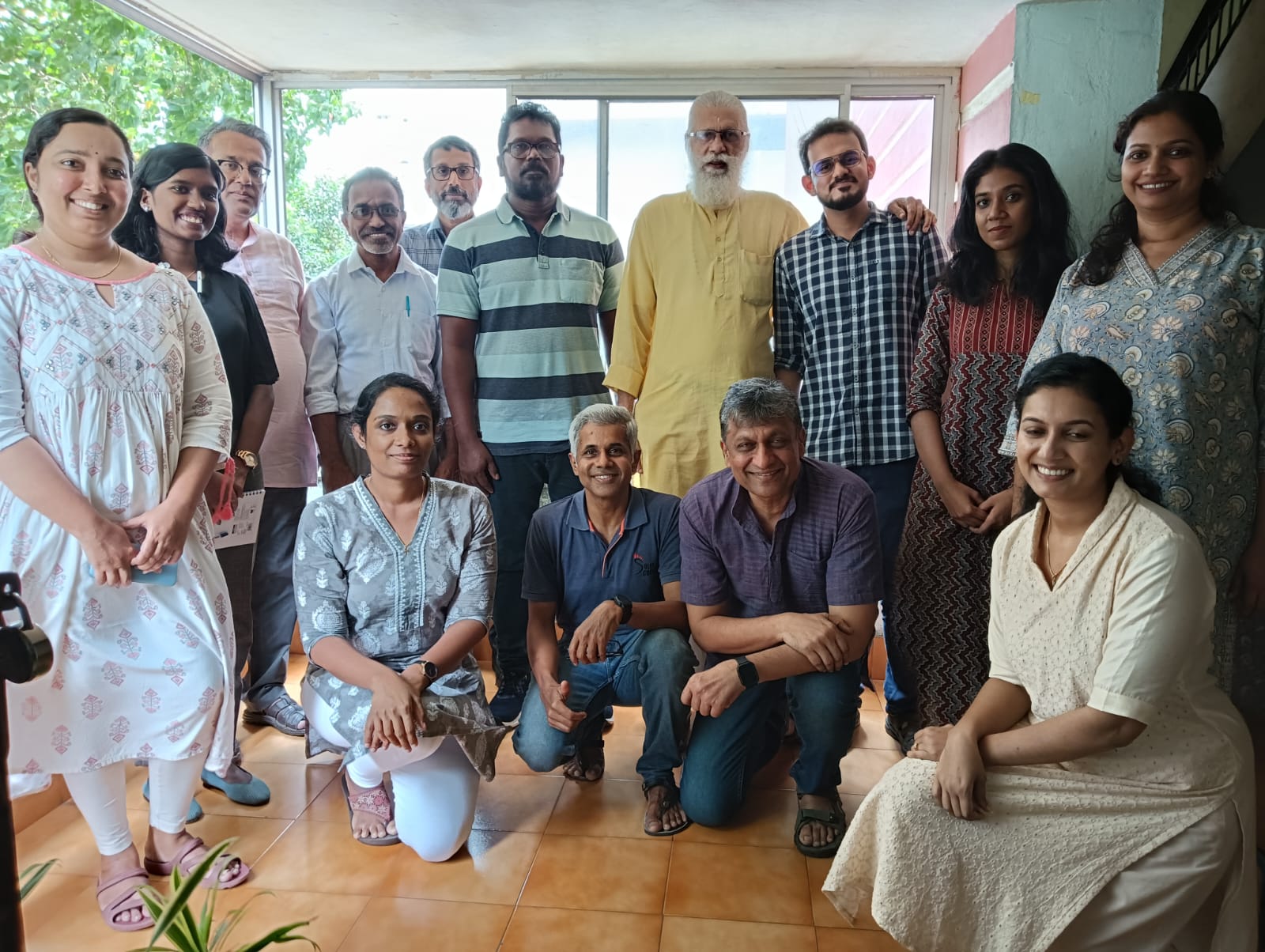
Figure 1: PRIA, CHED and CPPR teams with representatives from EDRAAC, EJADCS and Soles of Cochin
PRIA’s visit to Kochi started with a joint discussion with the Centre for Heritage, Environment and Development (CHED) and Centre for Public Policy Research, who would be anchoring the project in the city. Meetings with 14 selected Civil Society groups specializing in a wide variety of civic issues were conducted in the first round of CSO meetings. These were shortlisted from an extensive CSO list mapped jointly by PRIA and the Kochi team. The first day of meetings involved discussions with Ernakulam District Residents Association Apex Council (EDRAAC), Ernakulam Jilla Auto Drivers Cooperative Society (EJADCS) and Soles of Cochin. Being the first of the meetings, the discussion with EDRAAC, EJADCS, and Soles of Cochin were helpful to the team in getting a sense of the geography, socio-demography and transport landscape of Kochi, particularly on common citizens’ demands, IPTs and the condition of non-motorized transport systems, respectively.
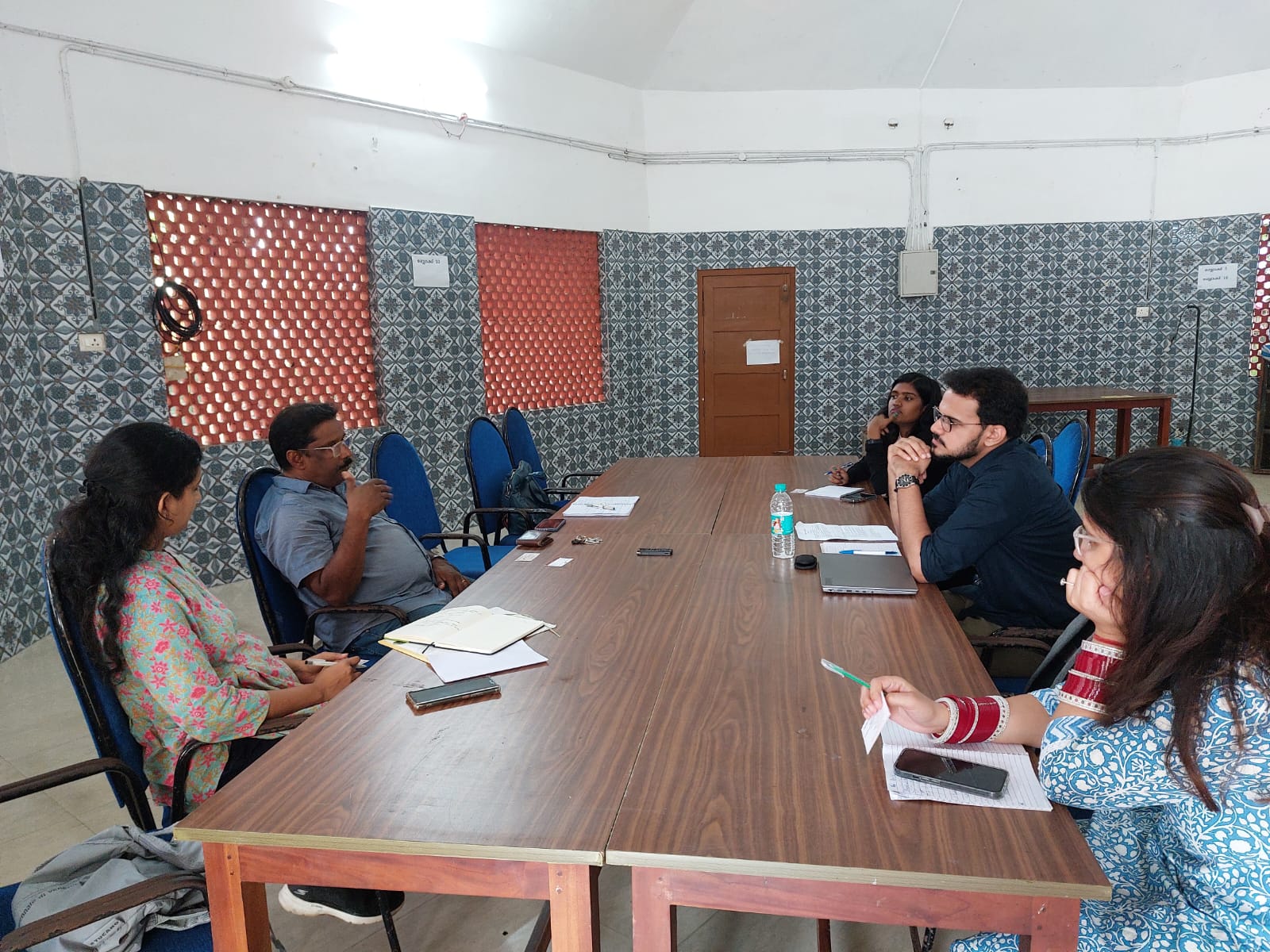
Figure 2: Meeting with Cycle Mayor- Kochi
For gathering insights on gender specific dimensions of public transportation in Kochi, the team met with a few organizations including a couple of unregistered collectives. Kudumbashree, the state’s nodal agency for women empowerment having worked on multiple research and non-research programs, is the pillar of gender equality focused initiatives in Kerala. Represented by women from lower socio-economic profiles, Kudumbashree has a strong connect with the communities across the city through active neighborhood groups. The team also interacted with Transgender Justice Borad representatives who explained the issues that transgender communities face with respect to accessing public spaces and various transport modes. Adding to this, discussions with She Taxi and She Cycling groups helped the team expand their perspectives on the aspect of gender and mobility within the city.
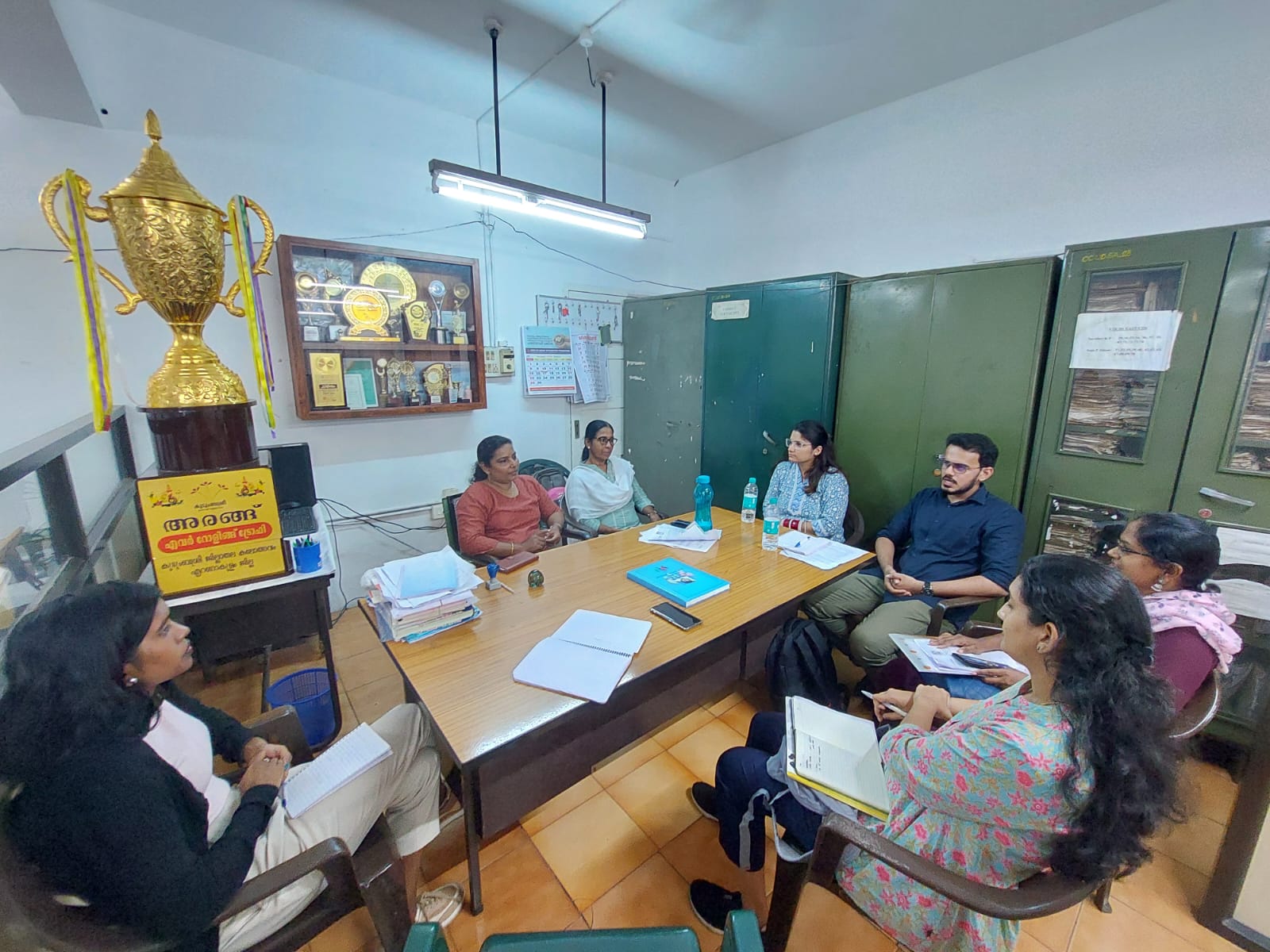
Figure 3: Meeting with Kudumbashree CDS Secretary
With a significant migrant population residing within and in the outskirts of the city, meeting with Centre for Migration and Inclusive Development proved to be helpful in terms of understanding how the migrants commute to the city while acknowledging the various challenges they face including significant language barriers. Meeting with the Centre for Socio-economic and Environmental Studies (CSES) and Better Kochi Response Group (BKRG), two important CSOs who have also had the history of working on issues of mobility in Kochi city, provided relevant insights on the spatial and social dynamics of gender and mobility in Kochi. While CSES is more an academic research oriented team, BKRG is an advocacy organization with a few members who have had contributed to the city’s development in some or the other way.
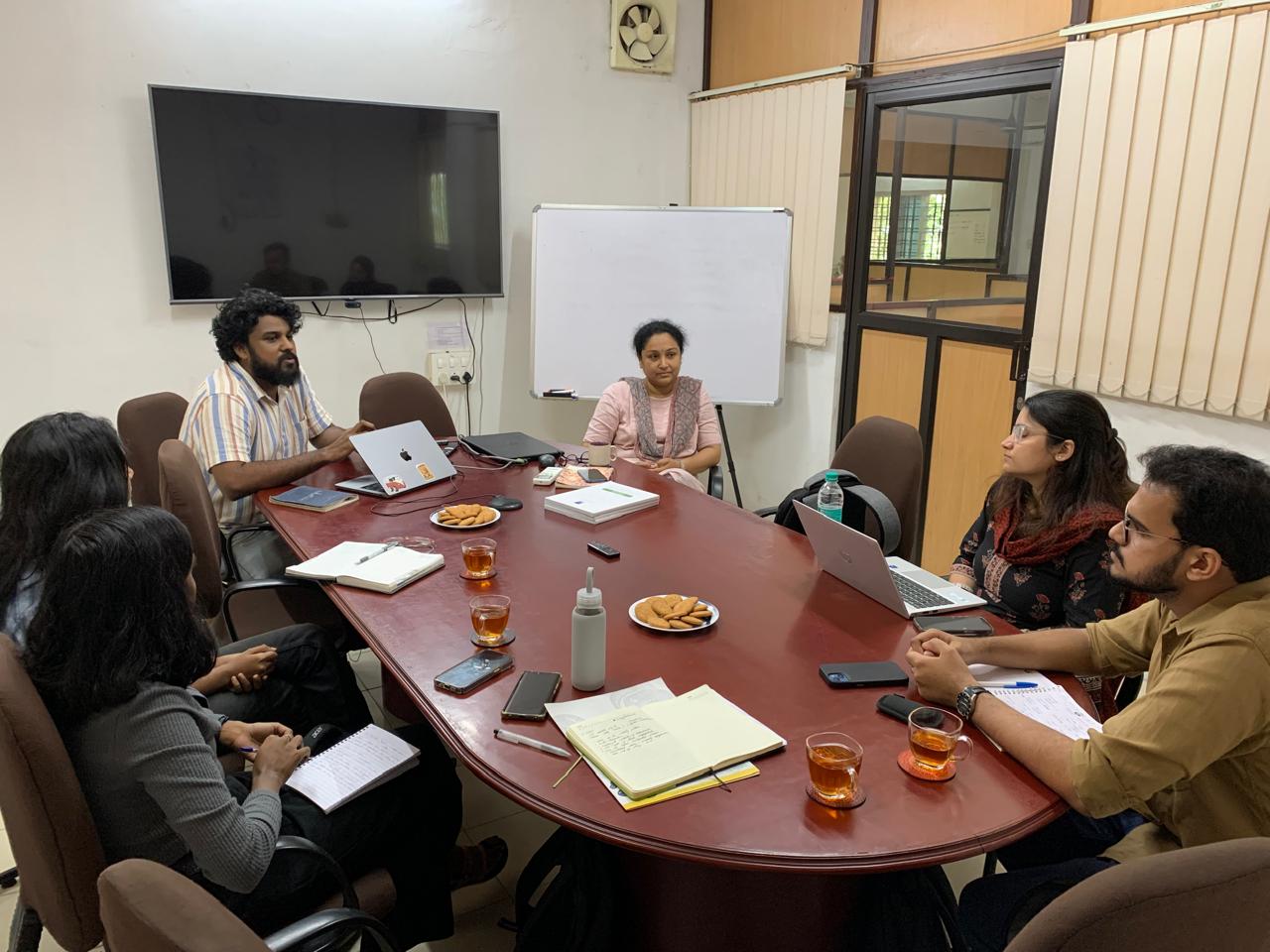
Figure 5: Meeting with Centre for Socioeconomic and Environmental Studies
A visit to the Adarsh Charitable Trust helped the team evolve our own perspectives on accessibility barriers faced by children with disabilities in the mainstream transport modes of the city. Followed by a brief interaction with the secretary of the trust, the team got an opportunity to interact with children with 5 different types of disabilities and their mothers who shared about how unfortunately the transport systems are unable to cater to their special needs. Representatives of JM Charitable Trust and Ente Kochi Unite Charitable Trust having good ground level engagement with informal settlements in certain backward regions of Kochi shared their knowledge on the mobility specific challenges faced by communities like the fisherfolk.
St. Teresa’s College, one of the oldest women’s colleges in India, actively involved in different social action programs aimed at gender equality, was another institution where the team interacted with both faculty and girl students who commute to college from remote parts of the district on an everyday basis. The visit to Kochi hence involved insightful discussions with multiple civil society groups who deal with some of the pressing issues of Kochi, including but not limited to gender, disability, citizen participation and sustainable urbanization. Having representation from citizens’ groups, charitable trusts, semi-governmental agencies, research institutions and advocacy groups in the initial engagement helped the team in ensuring that the first round of discussions with CSOs in Kochi offered wide perspectives to the project.
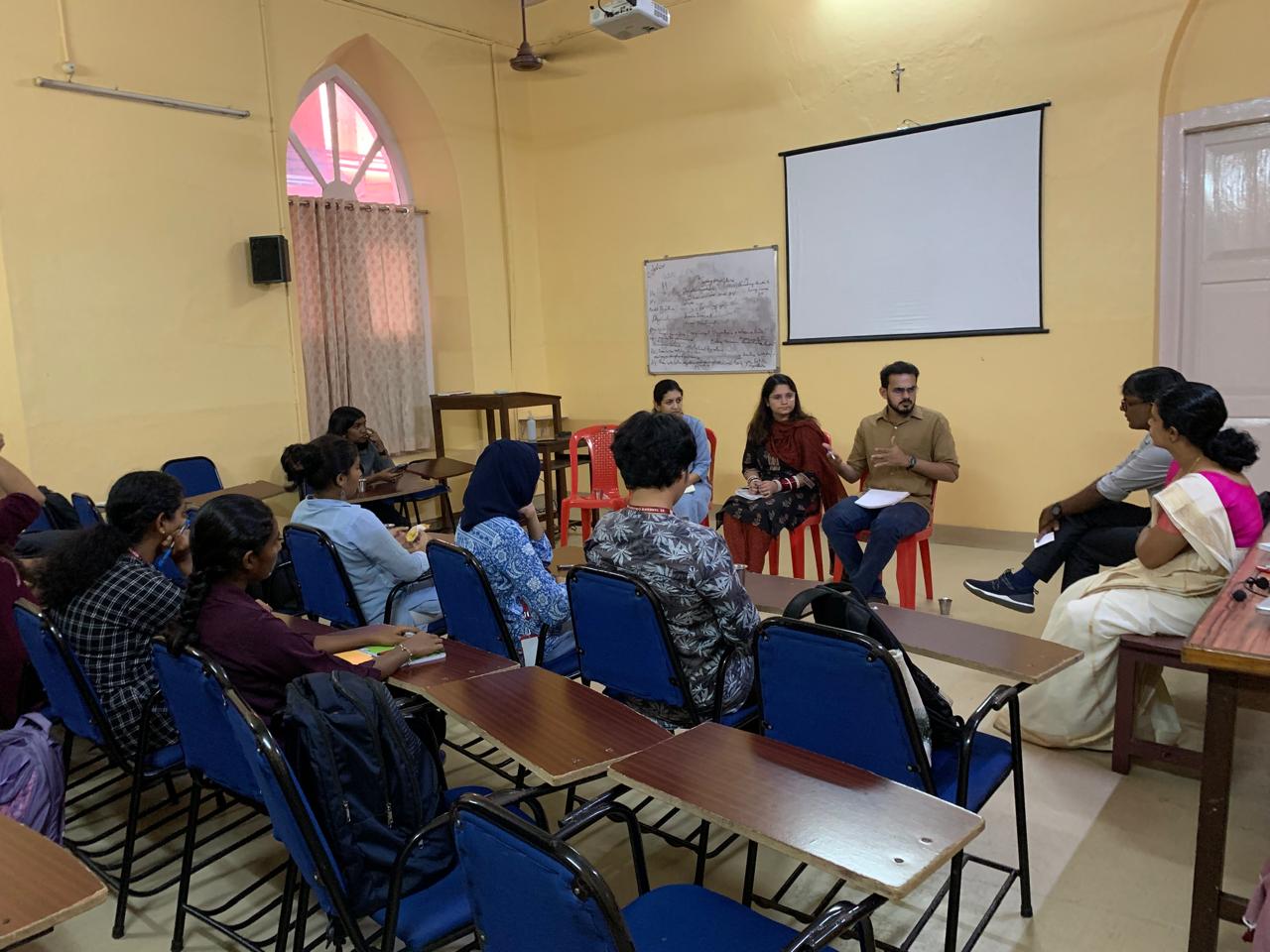
Figure 6: Interaction with students from St. Teresa's College for Women