
Author: Yedukrishnan V. | 20-Mar-2026
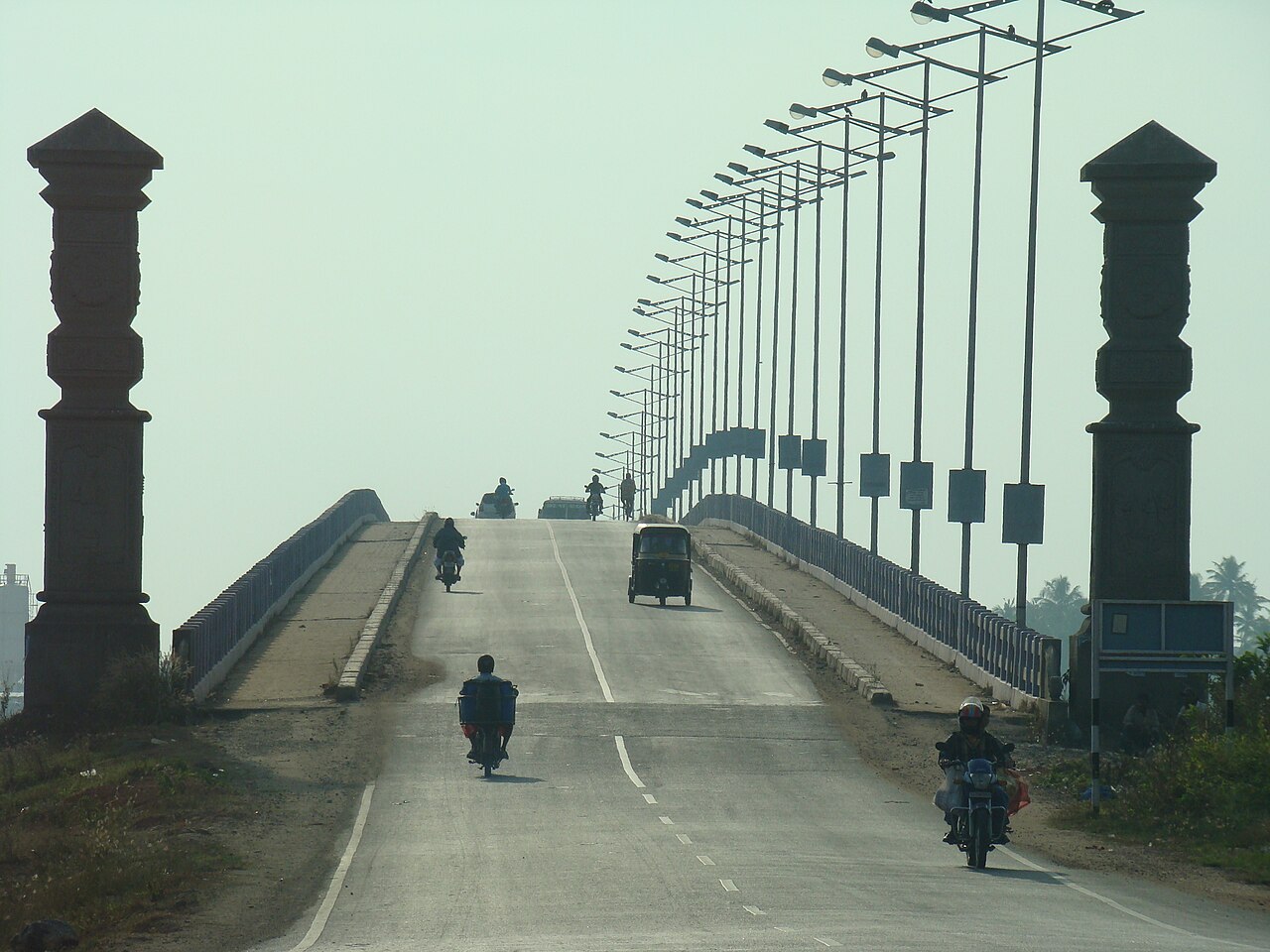
“The ferry services used to be much better than these buses,” a woman from Vypin, an island neighborhood in Kochi, Kerala, shared during a discussion on mobility challenges faced by women.
Kerala has long been recognised for its strong traditions of decentralised governance, people’s planning, and collective action. These have shaped its identity as a model of grassroots democracy. Yet, in recent years, one can notice a subtle but recurring line of thought emerging in some policy discussions and ‘expert’ circles; a perception that raises an important question about the relationship between ‘participation’ and ‘implementation’. I believe framing these two, otherwise complementary processes, as a dilemma reflects a false dichotomy.
This perception does not necessarily reject citizen participation in development processes, but suggests that Kerala may have already invested significantly in consultative processes, and that the present need is to focus more on implementation. The concern behind this view is understandable. Delays in execution and repeated consultations without visible outcomes can create fatigue and frustration. However, if this perception gradually evolves into a broader narrative that places participation and development in contrast, it may carry unintended consequences for the very foundations of democratic practice.
It is within this context that the experiences from Vypin, a geographically peripheral and spatially excluded island region in Kochi, offer important insights. Here, mobility is not merely a question of transport availability, but one deeply shaped by gender, geography, infrastructure, and the uneven ways in which development is experienced.
For many residents, especially women, many of whom are domestic workers, the story of mobility is closely tied to their geographical identity and the infrastructural gaps that continue to persist. Decades ago, unsafe ferry services were the only option for commuting, often associated with risks and tragic accidents that the islanders do not wish to remember anymore. The demand for better connectivity led to over three decades of sustained agitation led by veteran activists, including Adv. Majnu Komath, who recently passed away, eventually resulted in the construction of the Goshree bridges. Goshree Bridge is an achievement widely seen as a milestone in Kochi’s development journey.
Yet, the present-day experiences of women and girls from marginalised socio-economic backgrounds reveal a more layered reality. While the bridges improved physical connectivity, they did not automatically translate into reliable, safe, or dignified mobility. The transport systems operating on this infrastructure, particularly buses, often remain unreliable, overcrowded, and at times unsafe. Issues such as harassment, denial of student concessions, and irregular services continue to shape their everyday commute.
When asked why ferry services were sometimes perceived as better, one woman remarked, “At least they were more predictable.”
This is not a rejection of infrastructure development, but a reflection on how development outcomes are unevenly distributed. It highlights a critical insight: spatial inclusion at the level of infrastructure does not necessarily ensure equitable mobility, especially for women and other vulnerable communities. In contexts like Vypin, geographical marginality continues to influence the quality, reliability, and accountability of services available to residents.
Our engagement with the community was not a one-time interaction. We returned to share and validate earlier findings, listen again, and deepen our understanding, reflecting core principles of participatory research. This iterative process revealed that participation in planning is far from a completed task, even in Kerala’s context. Women spoke of their daily mobility challenges: a mother recalling how a bus conductor misbehaved with her daughter when she asked for a student concession; young girls suggesting women-only bus staff for safer travel; domestic workers struggling to reach the mainland on time, only to be labelled as ‘always late’ by their employers; and residents calling for better policing, safe shelters, and visible helplines.
These voices point to a simple but important idea: development becomes meaningful only when it reflects the lived realities of those it seeks to serve. Without this, even well-intentioned and large-scale infrastructure projects can fall short of addressing core concerns.
The experience of Vypin also helps us revisit the broader debate. The question is not whether Kerala has had “enough participation,” but whether participation is evolving in ways that remain responsive to changing realities. Similarly, while the emphasis on implementation is valid, its effectiveness depends on how well it incorporates diverse and grounded perspectives, for example, in this case, from spatially marginalised regions.
Framing participation and development as separate or competing priorities risks oversimplifying this relationship. Instead, they are better understood as interdependent processes. Participation strengthens implementation by making it more contextually relevant and inclusive, while effective implementation reinforces trust in participatory systems. In this light, the emerging perception within expert circles can be seen not as a definitive shift, but as a moment of reflection. It offers an opportunity to rethink how participation can move beyond repetition and become more responsive, and how execution can become more grounded in lived experiences.
Kerala’s democratic strength has always come from its ability to adapt, evolve, and engage. The experiences from places like Vypin remind us that this engagement must continue, not as a procedural requirement, but as an ongoing process that ensures development remains inclusive, equitable, and meaningful. Democracy, after all, is not a destination we arrive at, but a journey we sustain. And it is through continued, grounded participation that this journey remains alive.
A tribute to Comrade Damodar Thankappan, reflecting on over four decades of friendship, solidarity, and shared work with PRIA. From textile workers’ struggles and occupational health to construction workers’ rights and workers’ cooperatives, the blog celebrates his lifelong commitment to workers’ dignity, leadership, and collective action.
In this blog, Dr. Bandyopadhyay reflects on rethinking monitoring and evaluation in development practice. Drawing on his experience with participatory networks, he explores how organisations can move beyond compliance-driven reporting towards listening, collective learning, adaptation, accountability, and cultures that enable honest reflection.
This blog, by Dr. Anshuman Karol, explores why the future of higher education depends on community-engaged research, global collaboration, and knowledge democracy. It highlights how Community-Based Participatory Research enables universities and communities to co-create solutions for today's interconnected social and environmental challenges.
.png)
.png)